
Understanding Betrayal Trauma
Insights from our recent New Ground Counseling interview
Betrayal trauma is one of the most devastating emotional injuries a person can experience—especially when the betrayal comes from the person you trusted most. In a recent conversation at New Ground Counseling, we explored what betrayal trauma is, how it affects the mind and body, and how therapy supports partners who are trying to make sense of a world that suddenly feels shattered. Watch therapist Emily Parker talk about this in our interview video below, or keep reading!
What Is Betrayal Trauma?
Betrayal can take many forms—financial deception, gambling, childhood experiences, and more. But in this conversation, we specifically focused on betrayal trauma that stems from problematic sexual behavior (PSB): affairs, pornography addiction, purchasing sex, or long-term sexual secrecy.
Sexual betrayal strikes at the deepest layers of identity. When a partner discovers that someone or something has been chosen over them—especially sexually—it shakes core beliefs about worth, value, safety, and enoughness.
As one therapist explained, “It rocks us to our core. It devastates the mind, body, and spirit.”
Unlike addictions to substances, sexual betrayal carries implications about desirability, identity, and relational safety. It forces a betrayed partner to question:
Am I enough?
Was our relationship real?
What else don’t I know?
And because romantic attachment in adulthood mimics early-life attachment bonds, sexual betrayal often feels like a massive attachment rupture—a trauma that destabilizes one’s entire sense of reality.
“Trauma Is Not What Event Happened to Me—It’s What Happens Next, Inside of Me.”
Not every betrayed partner responds the same way. The level of trauma depends on:
Past trauma
Personal history
The depth of deceit or gaslighting
How long the betrayal was hidden
When the truth comes out, many partners feel as though their entire life has been built on top of what Dr. Omar Minwalla calls “a secret sexual basement the whole family was living on top of.”
Once exposed, they must reconcile a past that suddenly feels unfamiliar. Their memories become distorted. What they believed was true now feels uncertain.
Common Symptoms of Betrayal Trauma
Because betrayal trauma is a mid-trauma event—something still unfolding—many partners experience:
Hypervigilance
Brain fog
Disorientation
Loss of focus
Anxiety or depression
Loss of appetite
Rage or emotional reactivity
Many say, “I don’t even recognize myself.” This reaction is normal. Their brain and nervous system have been overwhelmed by shock and trauma.
Why the Betrayed Partner Needs Their Own Healing Path
When a betrayal surfaces, the focus often shifts to the partner who acted out:
His addiction
His recovery plan
His treatment
Meanwhile, the betrayed partner is left emotionally bleeding while the betrayer receives care.
This feels profoundly unfair. Many partners say, “I didn’t choose this, but now I’m the one who has to heal from it.”
High-functioning, resilient women often find themselves suddenly unable to perform the most basic tasks. Their world implodes—and they deserve support, compassion, and resources in navigating this trauma.
How Therapy Helps Betrayed Partners Heal
Therapists trained in betrayal trauma typically work through three non-linear stages:
Stage 1: Safety & Stabilization
This phase focuses on grounding and re-establishing safety:
Self-care
Boundaries
Nervous system regulation
Reconnecting to the present moment
Rebuilding basic functionality
Before deeper processing can occur, partners must regain a sense of stability.
Stage 2: Grief, Mourning & Anger
Here, partners begin to process:
What was lost
The lies they lived with
The distortion of their reality
The anger they carry
The shattering of identity
Therapy helps them move through these emotions with compassion and support.
Stage 3: Post-Traumatic Growth
This is the stage where light begins to return:
Rediscovering creativity and play
Reclaiming purpose
Exploring passions or community
Finding meaning in pain
Supporting others with what they’ve learned
Healing does not return someone to who they were. It strengthens them into someone new—more grounded, more self-aware, and more empowered.
Empowerment Is Central to Healing
Betrayal trauma leaves many partners feeling powerless. The healing process focuses on restoring:
Voice
Choice
Boundaries
Community
Identity
As one therapist shared, “Empowerment is really how I see betrayed partners begin to heal and reform their identity.”
Join Our “Heal from Betrayal Trauma” Group – Starting January
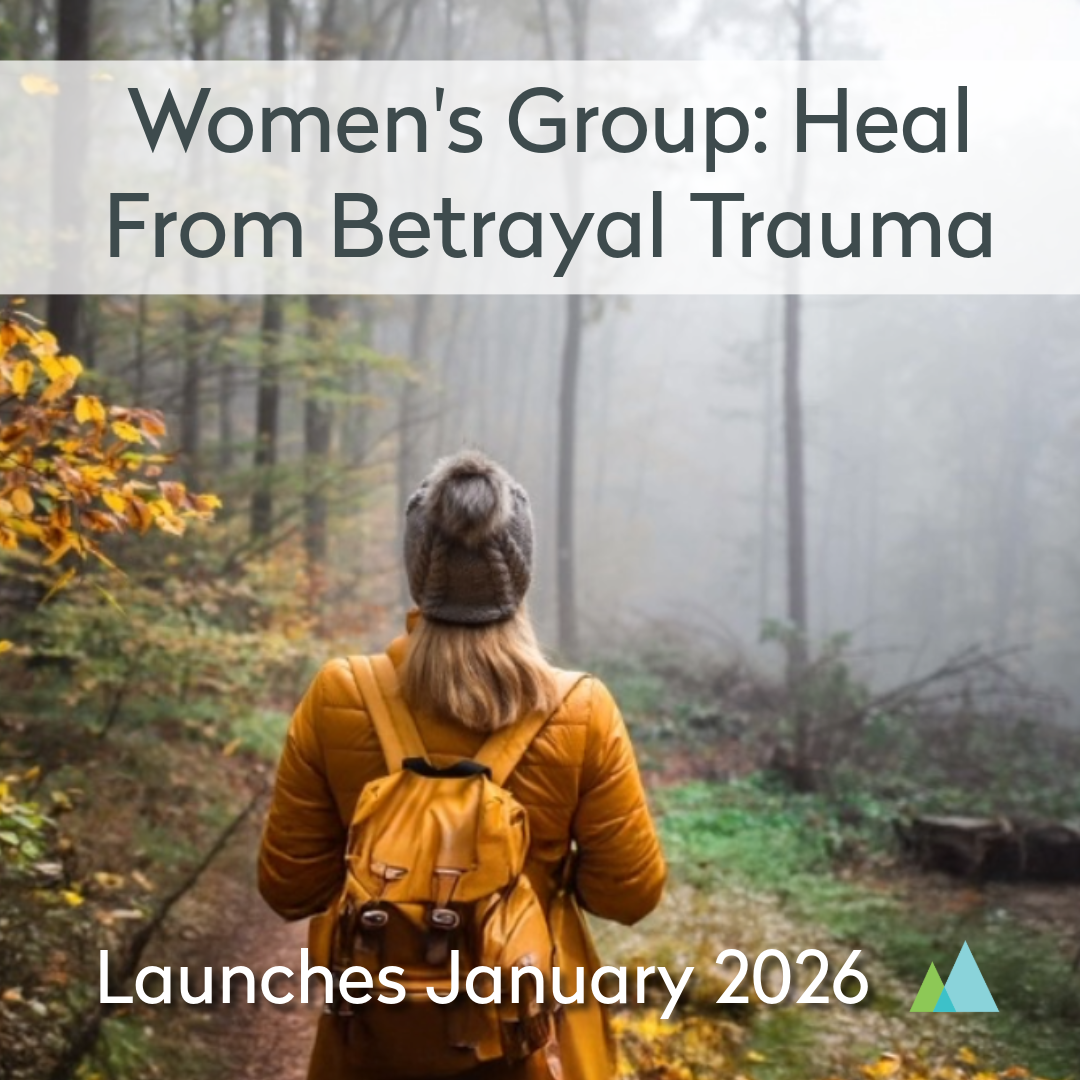
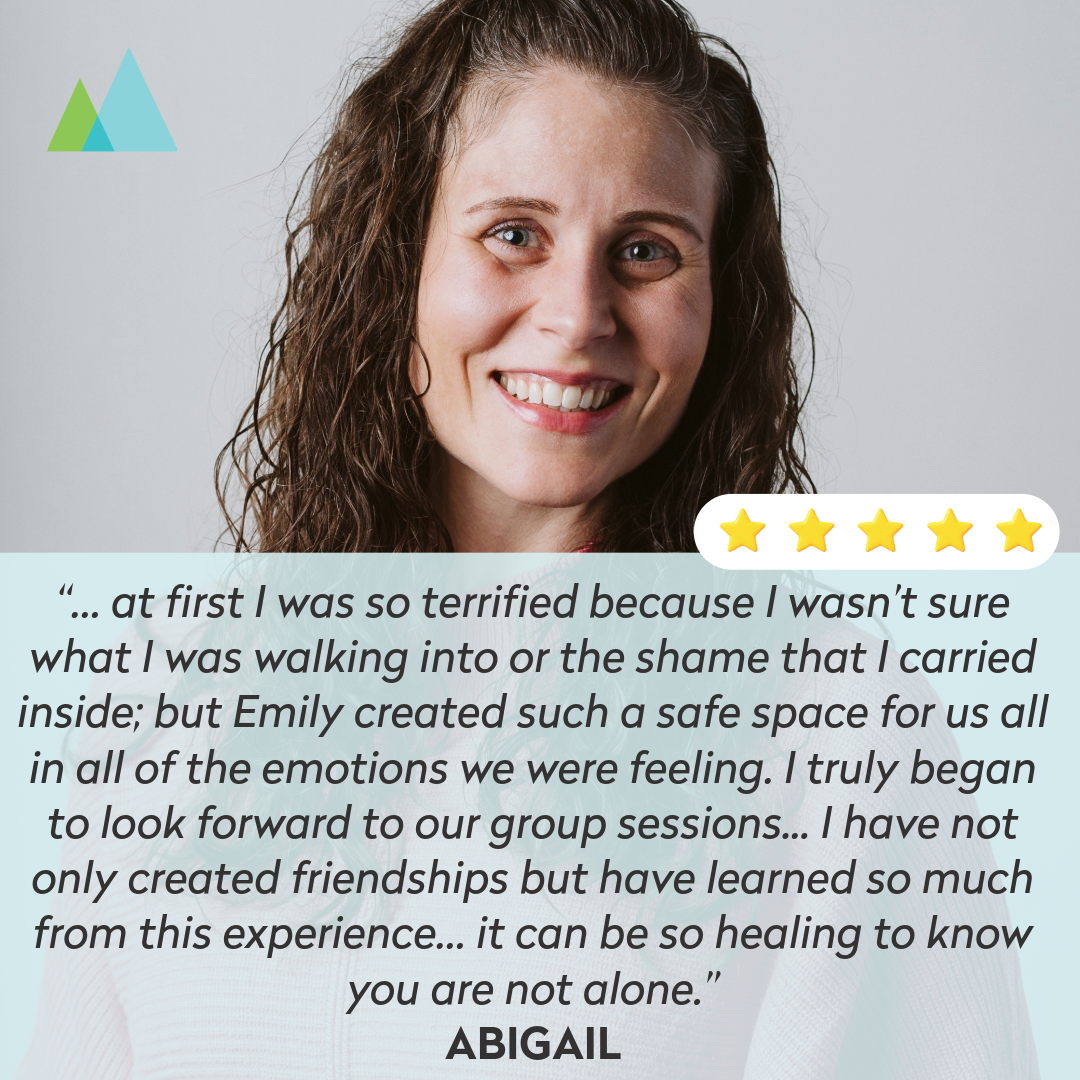
Walking through betrayal trauma is overwhelming—but you do not have to walk it alone.
Beginning in January, New Ground Counseling is offering a supportive, therapist-led group for women healing from sexual betrayal. This group is designed to help you:
Regain stability after discovery
Understand the impact of betrayal trauma
Rebuild trust in yourself
Learn healthy boundaries
Reduce anxiety and reactivity
Experience connection instead of isolation
Begin moving toward post-traumatic growth
This group provides a safe, compassionate space to be understood, validated, and supported by other women who truly get it.
👉 Learn more or register here:
https://new-ground-counseling-454519.churchcenter.com/registrations/signups/3232739
If betrayal trauma has shaken your world, healing is possible—and you don’t have to navigate the journey alone.